Profile AI
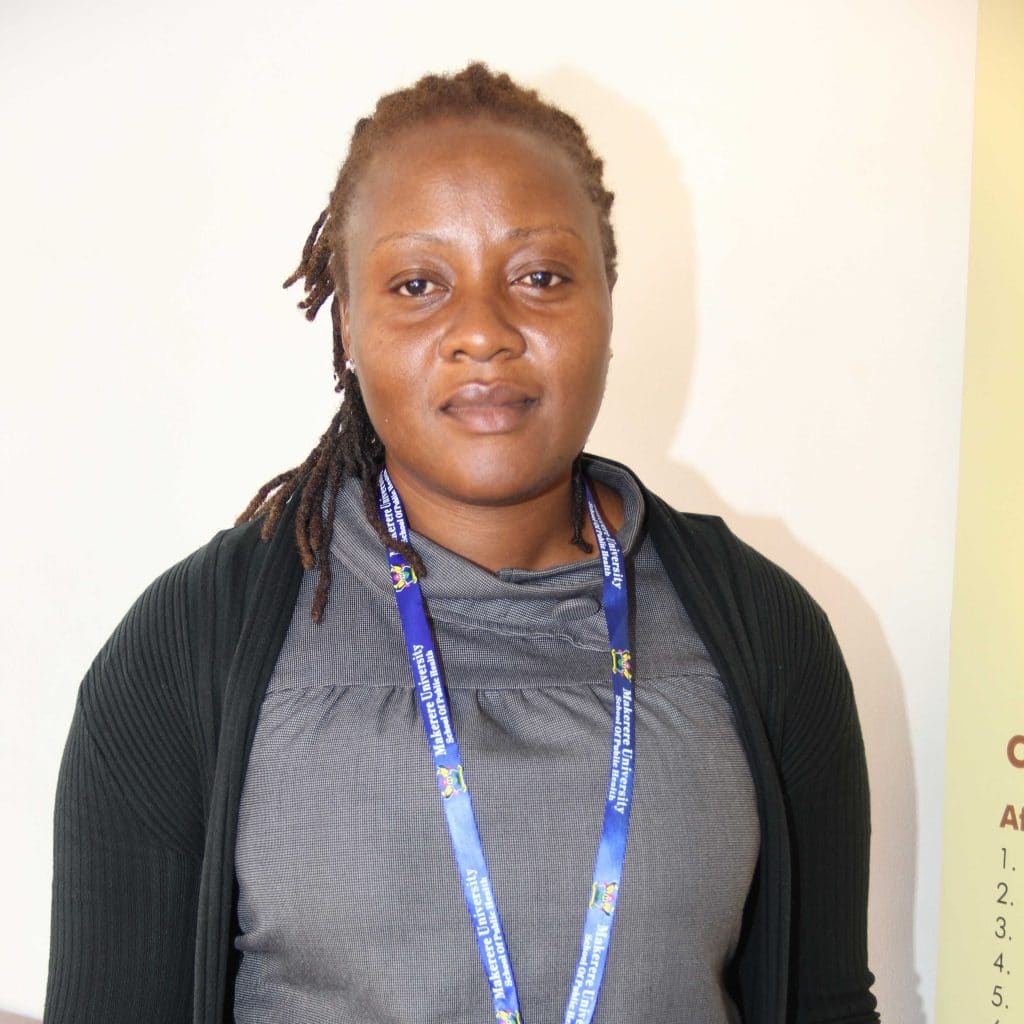
An upcoming Research Scientist with a background in social sciences. Blessings holds a PhD in Public and Population Health (University of Witwatersrand, South Africa), a MSc in Medical Anthropology (University of Amsterdam, the Netherlands) and a BSc in Sociology with a Public Administration minor (Chancellor College, University of Malawi). She is a recipient of more than three scholarships in her academic and research career such as the: CARTA PhD scholarship, 27-20, Health Research Capacity Strengthening Initiative (HRCSI)- 20-21 and the Government of Malawi, scholarship from 22-26. She has served under the University of Malawi-College of Medicine since 2007, in different capacities as an honorary lecturer, social scientist, research scientist, supervisor, programme manager and coordinator. Currently, Blessings works as a Research Person for Malaria Alert-Communicable Disease Action Centre and lectures on a part-time basis at the University of Malawi, College of Medicine in Blantyre, Malawi. Blessings has lectured, facilitated postgraduate and undergraduate courses including handling supervisory roles under the University of Malawi’s College of Medicine, School of Public Health and Family Medicine, Department of Health systems and management and the University of Witwatersrand. She has growing experience in the areas of adolescents’ health and wellbeing, HIV, malaria, maternal and child health, advocacy, sexual and reproductive health (SRH) and monitoring and evaluation (M&E). She is especially passionate about adolescent health, focusing on underlying factors for (non) protective health behaviours, SRH, service use experiences, and processes that foster ALHIV to do well despite adversity. Her PhD, on ‘sexual and reproductive health, service use and resilience among adolescents living with HIV and attending hospital teen clubs in urban Blantyre, Malawi.’ She hopes to continue researching and working with children, young authors in contexts of development, (non) communicable diseases in Africa and elsewhere, advocating for better health service provision and wellbeing.
Program Impact AI
The program appears to have been associated with a clear increase in the author’s research output, with a much stronger publication presence during enrollment than before it. Because graduation was in 2021 and the current year is close enough that some later papers may still reflect work completed during the program, the post-graduation count should be interpreted cautiously, but overall the timeline suggests the program supported a sustained and productive research trajectory.