
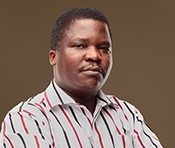
Charles Mwale

Part Time Senior Lecturer University of Rwanda
Rwanda Cohort 3

Profile AI

Charles Masulani Mwale is a Part-Time Senior Lecturer at the University of Malawi, based in the Department of Mental within the Faculty of Medicine. He is a dedicated educator and researcher whose work sits at the intersection of field-based public health and HIV epidemiology. Mwale brings a hands-on, field-oriented perspective to the classroom and to collaborative research, contributing to the education of medical students and public health trainees while advancing knowledge in his specialty. Research Focus and Interests - Field-based public health research with an emphasis on HIV epidemiology - Epidemiology and surveillance methods applied to real-world settings - Translation of field data into actionable public health strategies and policy - Capacity building in Malawi through mentorship and applied training Academic Background - The provided information does not include Mwale’s specific educational credentials. As a Senior Lecturer in the Faculty of Medicine, his work reflects extensive engagement with public health, epidemiology, and clinical education within Malawi’s health system. Contributions and Impact - Teaching and mentorship of undergraduate and postgraduate students, integrating field experiences with rigorous epidemiological training - Supervision of student research projects and field-based investigations - Collaboration with colleagues in Malawi and broader public health networks to study HIV epidemiology and its implications for prevention, care, and health system strengthening - Active participation in curriculum development and the dissemination of field-informed approaches to public health within medical education Charles Mwale’s profile presents a professional health scholar whose teaching, research, and collaborative efforts contribute to advancing HIV epidemiology and public health practice in Malawi.

Program Impact AI

The publication timeline suggests the program coincided with a noticeable strengthening of the author’s research activity, with a clearer and more sustained output during the enrollment period than before it. Since graduation was in 2017, the substantial post-graduation publication record likely reflects work initiated earlier and extended through later collaborations, but the most direct evidence of program impact is the increase during the program itself.

Latest publications

Most recent scholarly works and contributions.

Loading publications…