
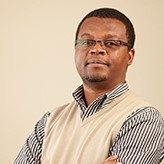
Lester Kapanda

Facilitator and or trainer- local and international training in research methods, manuscript writing and research proposal development Kamuzu University of Health Sciences
Malawi Cohort 5

Profile AI

He has served at research institutions of the University of Malawi, most notably under the College of Medicine, for ten years. From 2003 to the end of 2012, he worked on the Johns Hopkins University College of Medicine Research Project. This was a joint clinical research project between the College of Medicine of the University of Malawi and the Johns Hopkins University - Bloomberg School of Public Health in the USA, in response to the huge burden of infectious diseases and other non-communicable diseases in Malawi. The Johns Hopkins Research Project mainly conducts international research in infectious diseases, ranging from HIV—including HIV-related cancers such as Kaposi's sarcoma—and other diseases such as Tuberculosis and sexually transmitted infections. He has served the project as a clinician, sub-investigator and study project coordinator. He was responsible for providing clinical care to study participants, verifying eligibility, reviewing laboratory results of study participants, and reporting adverse events. As a sub-investigator and project coordinator, he was primarily responsible for overseeing the conduct of clinical trials, ensuring that study procedures were carried out in accordance with protocols as well as international and ethical standards. He was also involved in developing standard operating procedures and training authors on various study-related aspects such as protocols. From January 2013, he joined the Malawi-Liverpool-Wellcome Trust Clinical Research Programme as a research scientist and senior project manager for a large Wellcome Trust-funded programme grant (VAC-SURV), where he was directly responsible for running several integrated observational case-control studies of vaccine effectiveness and a cohort study of vaccine cost-effectiveness. He managed the day-to-day operations of these studies, including field activities, hospital-based recruitment, compliance with study protocols, standard operating procedures, and compliance with all Good Clinical Practice and regulatory requirements, including liaison with several institutional review boards and ethics committees in Malawi, the UK and the United States of America. He was heavily involved in community engagement activities and in integrating with the Community Liaison Group, local chiefs, Traditional Authorities and key authors within the health system. His other responsibilities included liaising with laboratory authors to ensure high-quality laboratory work and seamless integration between the laboratory, clinical and field authors. He also oversaw a team of seventeen local and international researchers, research nurses, field workers and ancillary authors, and he was responsible for chairing the management committee of studies. Towards the end of 2014, he was offered a part-time faculty position within the School of Public Health and Family Medicine, where he was based for his PhD studies.

Program Impact AI

The publication record suggests the program had a strong positive effect on this author’s research productivity, with output beginning during enrollment after no publications beforehand. Since graduation was in 2020 and enough time has passed, the substantial post-graduation publication activity also indicates that the program may have helped establish lasting research momentum.

Latest publications

Most recent scholarly works and contributions.

Loading publications…