Profile AI
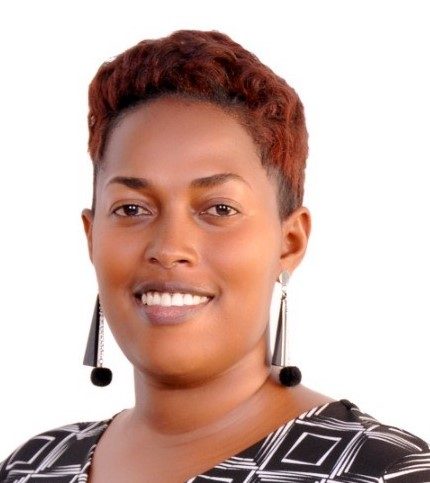
Aline Uwase is a devoted educator, researcher, and passionate advocate for public health. She earned a Bachelor’s degree in anaesthesia from the University of Rwanda in 2015, laying the foundation for her subsequent contributions to public health. Pursuing advanced education, she completed a Master of Public Health (MPH) at the same institution, deepening her understanding of public health principles. In 2020, Aline secured a scholarship from the Consortium for Advanced Research Training in Africa (CARTA) for a PhD in Maternal and Child Health at Wits University in South Africa, expanding the global health impact of her research. Additionally, Aline attended an implementation research course at Duke University in the United States in 2023. Since 2013, Aline has served as an assistant lecturer at the University of Rwanda, acclaimed for her dedication to student education. Beyond teaching, she mentors and guides student research and extends her commitment to community outreach, bridging academia and society to address health disparities. Her research interests span clinical research, maternal and child health, non-communicable diseases, mHealth (mobile health) interventions, nursing, and anaesthesia-related studies. From principal investigator roles in projects such as “Dietary Practices and Influencing Factors Among Pregnant Women” to co-principal investigator in projects such as “Nutrition, Infection in Relation to Preterm Delivery and Other Pregnancy Outcomes,” Aline has showcased her research prowess, publishing papers and participating in international conferences. Recognised for her leadership, she became Deputy Coordinator of Postgraduate Studies in the School of Health Sciences, displaying organisational skills and a commitment to nurturing healthcare leaders. Beyond academia, Aline actively participates in professional organisations, including the Organization for Women in Sciences, Rwanda Allied Health Professionals, Rwanda Non-Physician Anesthetists, and the Association of Public Health Officers, reflecting her dedication to networking, continuous learning, and healthcare collaboration.
Program Impact AI
The publication pattern suggests the program was associated with a clear increase in the author’s research output during enrollment, with a noticeably more active publication period than before entry. Because graduation was recent, it is best to interpret the single post-graduation publication cautiously and focus primarily on the stronger productivity observed during the program itself.