
06 · Health system and policy
To meet the SDG on health, we must address poverty.
Dec 23, 2022
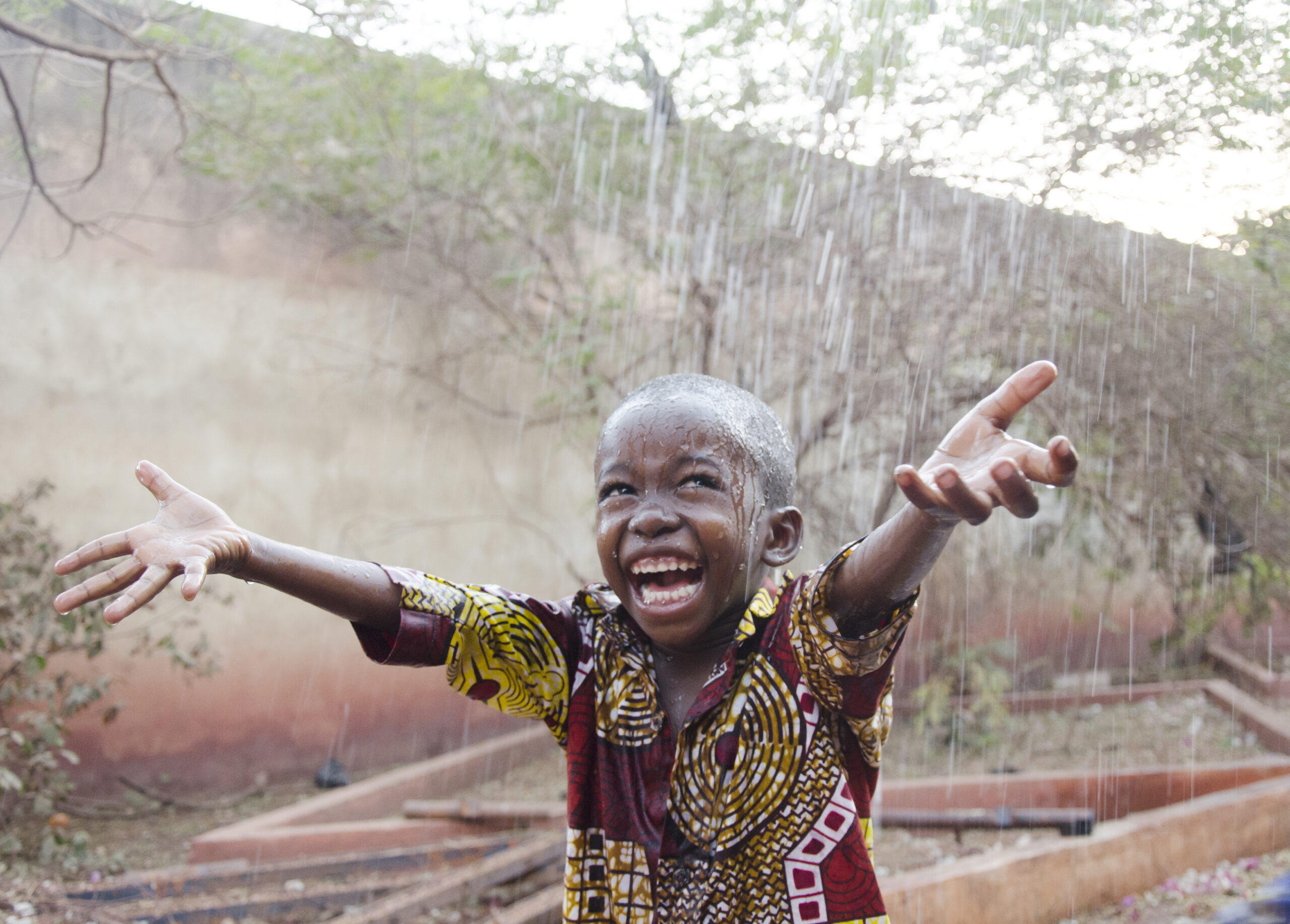
Poverty makes it hard to reach health-related sustainable development goals (SDGs), especially because it affects access to safe water and sanitation facilities, mental health, quality of life, and healthcare. Poverty also affects other social determinants of health such as education attainment, autonomy, and economic status. In order to get more authors to use antenatal care, we need programmes that help poor communities get out of poverty. Also, there should be programmes for women in rural areas and lower socioeconomic groups that focus on maternal health care. It is also important to address the link between poverty and autonomy when it comes to contraceptive behaviour among currently married women.
In order to reduce poverty and make progress towards the SDGs, there must be a concerted effort to increase knowledge about good hygiene practises within families that incorporate both primary caregivers (usually female) and financial controllers (usually male). This can be done through education campaigns promoting the benefits of hygiene habits. Furthermore, there needs to be greater awareness of the importance of hygiene infrastructure, including access to clean water and sanitation facilities, so that authors are more able to follow these practices. Additionally, policies must be implemented that increase the accessibility of affordable supplies such as soap or sanitising products so that those who cannot afford them can still benefit from them.
In terms of mental health issues caused by poverty, such as unemployment, physical health problems, or insecurity, it is necessary for governments and aid organisations to foster an environment where services are available for those affected by these issues. This could include providing counselling services, job creation initiatives, or increasing funding for medical treatments such as psychotherapy or medication prescribed by professionals in the field. Moreover, specialised services should be made available for traumatic experiences like rape, which disproportionately affect poorer communities due to discrimination or a lack of resources dedicated to addressing this issue.
Finally, free primary education should be expanded in slums, which would allow children living in poverty-stricken conditions with limited resources an equal opportunity at attaining an education regardless of their family’s socio-economic status. This could potentially lead to not only more educational opportunities but also employment opportunities that would help alleviate some stressors associated with poverty, such as housing problems or food insecurity.
Overall, addressing poverty has many health related implications regarding sustainable development goals, including improving access to clean water and sanitation facilities; decreasing rates of mental health disorders; empowering women with autonomy over contraceptive choices; reducing illiteracy rates in disadvantaged communities; and increasing job opportunities for those living in environments faced with economic hardship. By implementing targeted programs that focus on creating a healthier environment conducive towards achieving SDGs while simultaneously addressing structural issues linked with poverty will create lasting change beneficial for all individuals regardless of their socio-economic status.
—————————————–
This article is a rewrite by artificial intelligence of some research papers (co)-authored by PhD Authors using tools on CARTA Evidence (https://carta-evidence.org). It was edited by Jude Igumbor, and the original sources are listed below.
Source material
References and credits
Sources
https://doi.org/10.1186/s12884-016-1083-9https://doi.org/10.1080/03630242.2013.826319 https://doi.org/10.11564/27-2-438 https://doi.org/10.1080/13691058.2016.1272715 https://doi.org/10.1080/14748460.2012.659056 https://doi.org/10.3390/su11174656 https://doi.org/10.1007/s12134-014-0409-6 https://doi.org/10.1371/journal.pone.0206156 https://doi.org/10.1080/16549716.2020.1834769 https://doi.org/10.1353/hpu.2017.0009 https://doi.org/10.3390/ijerph18157923 https://doi.org/10.1353/hpu.2019.0024 https://doi.org/10.1080/23748834.2020.1764301 https://doi.org/10.11564/34-2-1513 https://doi.org/10.1080/21528586.2019.1575275 https://doi.org/10.1080/16549716.2022.2047465 https://doi.org/10.1080/16549716.2021.1988280
You may also be interested in
View topic
06 · Health system and policy
Breaking the Barrier: Accessing Quality Healthcare for Uganda’s Aging Population
Highlights Facilitators of access to healthcare include the availability of public health facilities, social support, financial resources, and having a healthcare provider who is a relative. Challenges to accessing healthcare for older authors include a lack of essential medicines for non-communicable diseases, ageism...
Read insight
06 · Health system and policy
Quality Doctoral Research can Bolster Africa’s Health System
Highlights Doctoral authors and alumni of the CARTA program have recommended the following based on their research: To achieve universal and effective health coverage, African states must prioritize health system strengthening (HSS). Increased investment in routine health information systems (RHIS) at all levels,...
Read insight
06 · Health system and policy
Risks of Partner Abuse in Ever-Married Authors in Uganda
Highlights Childhood exposure to violence predicts future risk of violence. Aside from those who witness violence, one in every three children is a direct survivor of violence. Alcohol consumption is a strong predictor for intimate partner violence (IPV) among women and men in Uganda. A combination of factors that...
Read insight